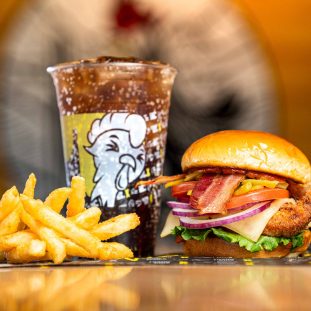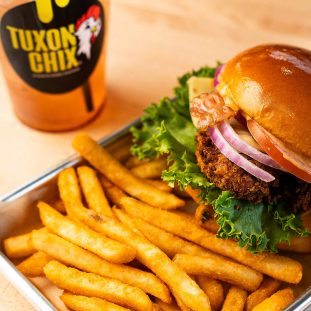

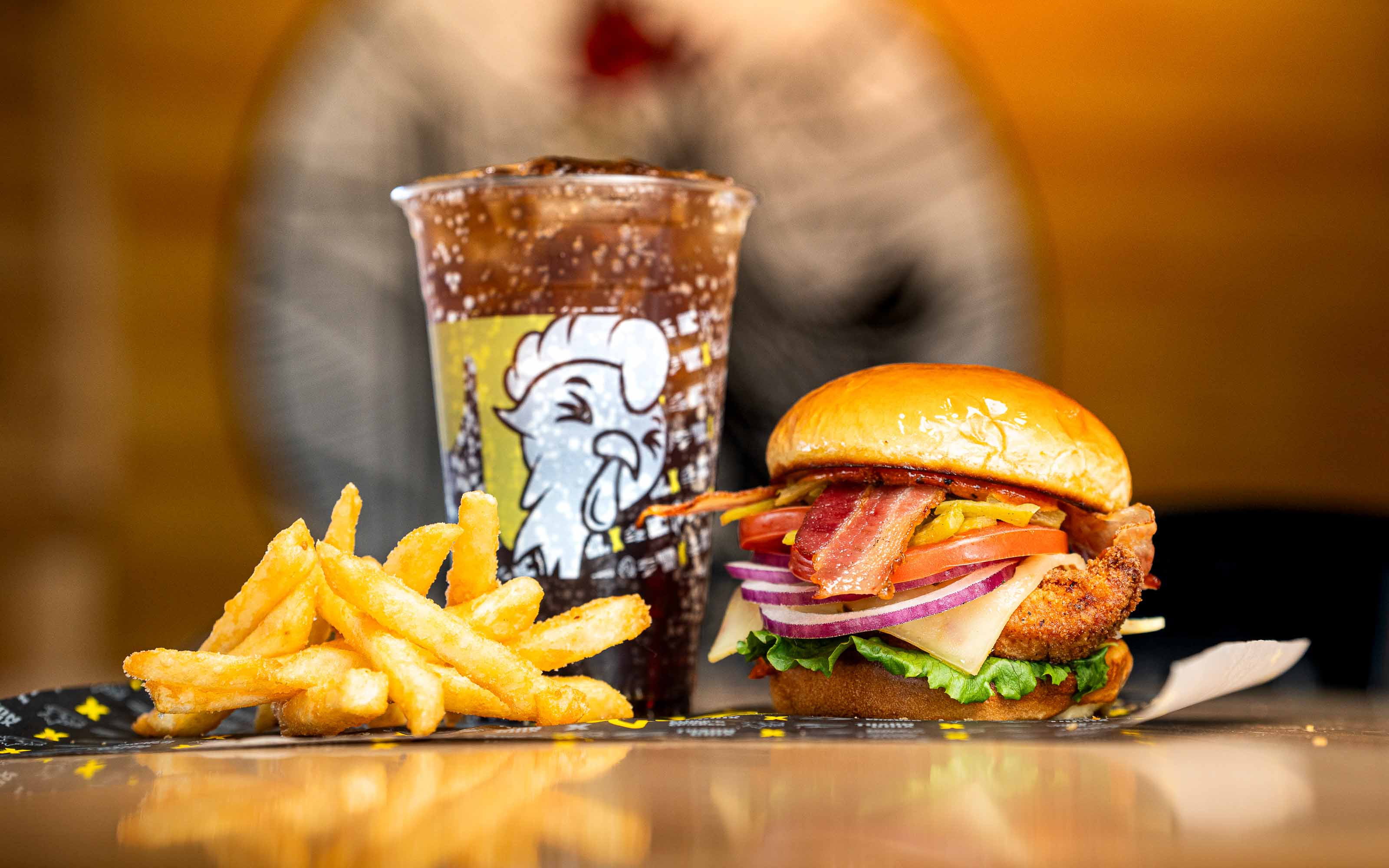
Lunchtime decisions shouldn’t require a debate club, but the chicken sandwich versus burger question comes up more often than you’d think. Both are handheld, satisfying, and easy to customize. The real difference comes down to how they make you feel afterward, what they cost, and how much flavor you’re actually getting per bite.
If you’re standing at a counter (or scrolling our special menu) trying to decide, here’s a breakdown that actually helps, from what goes into each one to how they hold up on a busy afternoon.
How Did the Chicken Sandwich vs. Burger Debate Even Start?
Burgers have been the default American lunch order for over a century, so it makes sense that they set the bar for what a “good” handheld meal looks like. The chicken sandwich spent decades in the burger’s shadow, often treated as the lighter, less exciting option on a fast-food menu.
That changed once restaurants started treating chicken sandwiches as their own category instead of a burger substitute. Better breading techniques, bolder sauces, and fresher chicken turned what used to be an afterthought into a legitimate lunch rival. Today, the debate isn’t about which one is “the backup.” It’s about which one actually fits what you need out of a midday meal.
What Actually Goes Into Each Sandwich?
The ingredients matter more than people think, since they explain a lot of the taste and nutrition differences.
A typical chicken sandwich includes:
- A boneless chicken breast or tender, breaded and fried, or grilled
- A bun, often lightly toasted
- A sauce or spread, ranging from mayo-based to spicy
- Toppings like pickles, lettuce, or slaw
A typical burger includes:
- A ground beef patty, often 80/20 fat content
- A bun, sometimes brioche or potato
- Cheese, in most cases
- Condiments like ketchup, mustard, or a signature sauce
- Toppings like lettuce, tomato, and onion
The overlap is bigger than people expect. What separates them is the protein itself: whole muscle chicken versus ground beef. That distinction drives almost every difference in texture, fat content, and how the sandwich sits with you afterward.
What Makes a Chicken Sandwich a Good Lunch Choice?
A well-made chicken sandwich, especially one with a crispy, juicy fried tender, tends to be lighter than a burger without skimping on flavor. Chicken breast is naturally leaner than ground beef, so you’re getting a solid hit of protein without the heavier grease factor that can leave you sluggish by 2 p.m.
The other advantage is versatility. A chicken sandwich takes seasoning and sauce well, whether that’s a classic buttermilk breading, a spicy buffalo kick, or something like peri peri or truffle parmesan. That range makes it easier to find a version that fits your mood, not just your hunger.
How Does a Burger Compare Nutritionally?
Burgers aren’t the villain here, but they do carry more fat on average, especially once you factor in a double patty, cheese, and a heavier bun. That’s not a bad thing if you’re genuinely hungry and want something rich and filling. Ground beef also delivers iron and B12 in ways chicken doesn’t match as easily.
The catch is portion creep. Burgers are easy to stack, and stacking adds up fast in calories and grease. A chicken sandwich is a little more forgiving if you’re trying to eat something substantial without feeling weighed down for the rest of your workday.
How Do the Numbers Actually Compare?
Exact numbers vary by restaurant, but here’s a general comparison between a standard fried chicken sandwich and a standard single burger with typical toppings:
- Fried Chicken Sandwich
- Calories: 450–550
- Protein: 25–30g
- Fat: 20–25g
- Sodium: Moderate to high
- Single Burger
- Calories: 500–650
- Protein: 20–25g
- Fat: 25–35g
- Sodium: Moderate to high
The chicken sandwich tends to edge out the burger on protein while coming in slightly lower on total fat, mainly because chicken breast starts out leaner than ground beef before either one is cooked. Sodium is fairly comparable between the two, since breading and sauces on a chicken sandwich can add just as much salt as cheese and condiments on a burger.
Does Grilled or Fried Chicken Change the Comparison?
It does, and this is where the chicken sandwich has an advantage the burger can’t really match. A burger is a burger; the beef is grilled or seared either way. A chicken sandwich, on the other hand, can go two very different directions.
Grilled chicken sandwiches cut the fat and calorie count significantly, making them the lighter option by a wide margin. Fried chicken sandwiches close that gap but make up for it with texture and flavor that a lot of people simply prefer. That’s part of why fried chicken sandwiches have become so popular: they deliver the indulgence of a burger with a slightly different nutritional profile and a completely different bite, crispy on the outside and tender on the inside.
Which One Is Better for an Energized Afternoon?
If you’ve got a busy afternoon ahead, a leaner protein source usually wins. Fried chicken sandwiches, particularly tenders instead of a heavily breaded patty, tend to digest a bit easier than a greasy double burger. That means less of that post-lunch crash and more focus for whatever’s next on your list.
This isn’t a knock on burgers. It’s more about matching your meal to your afternoon. A burger might be the better call on a lazy Sunday. A chicken sandwich might be the smarter pick before a 1 p.m. meeting.
Which One Gives You More Value for the Price?
Price comparisons depend heavily on where you’re eating, but a few patterns hold up across most menus. Chicken sandwiches, particularly fried ones, often deliver more perceived value because the sauce and flavor variety make each bite feel distinct. A buffalo chicken sandwich doesn’t taste like a Sonoran-style one, even if the base ingredients are similar.
Burgers, by contrast, usually rely on toppings to create variety, which means the price climbs quickly once you start adding bacon, extra cheese, or a specialty sauce. If you’re watching your lunch budget, a single, well-made chicken sandwich often gets you more distinct flavor for the same price as a loaded burger.
What Sides Pair Best With Each Option?
The sandwich you choose can actually shape the best sides to go with it. Chicken sandwiches, especially spicier or sauce-heavy ones, pair well with something cool and crunchy like coleslaw to balance the heat. Fries work with both options, but garlic parmesan or truffle-seasoned fries tend to complement a chicken sandwich’s boldness without competing with it.
Burgers lean toward heartier sides, since the meal is already rich. Classic seasoned fries or onion rings match a burger’s flavor profile without adding a second layer of complexity. If you’re building a full lunch instead of grabbing something quick, matching your side to your main is worth the extra thought.
Is One Option Better for Specific Diets or Goals?
If you’re tracking protein intake, a chicken sandwich, especially a grilled one, is usually the stronger choice per calorie. If you’re avoiding red meat for health or personal reasons, chicken is the obvious pick. Burgers hold their own for anyone prioritizing iron intake or looking for a more calorie-dense meal to fuel a physically demanding afternoon.
Neither option is inherently “bad” for you. The better fit depends on what your body needs that day, not a blanket rule that one protein always wins.
Why Do So Many Tucson Lunch-Goers Choose Chicken?
Tucson has no shortage of solid burger spots, but the fried chicken sandwich has become the go-to for a reason. It’s crispy, it travels well for takeout, and it pairs easily with sides like fries or coleslaw without feeling like a heavy, indulgent meal. For students, office workers, and anyone grabbing a quick bite between errands, a chicken sandwich hits that sweet spot of satisfying but not sluggish.
At Tuxon Chix, that means fresh, never-frozen chicken, crispy on the outside and juicy on the inside, made to order rather than sitting under a heat lamp. Whether you’re a spicy Buffalo fan, partial to a classic Sonoran-style sandwich, or curious about the Wildcat, lunch doesn’t have to be a compromise between fast and good.
The Bottom Line
Both a chicken sandwich and a burger can make a great lunch. The right call depends on what your afternoon looks like. If you want something lighter, easier to digest, and packed with flavor options, a chicken sandwich is hard to beat. If you’re after something rich and hearty, a burger still has its place.
Either way, the best lunch is the one made fresh, not the one that’s been sitting around waiting for you.
Frequently Asked Questions
Is a chicken sandwich healthier than a burger?
Generally, yes. Chicken breast is leaner than ground beef, so a chicken sandwich usually has less fat per serving. That said, breading, sauces, and toppings can close that gap, so it depends on how the sandwich is made.
Why does a chicken sandwich feel lighter than a burger?
Chicken is naturally lower in fat than beef, and it tends to digest a bit more easily. That’s why a lot of people feel less sluggish after a chicken sandwich compared to a heavier, double-patty burger.
What’s the best way to order a fried chicken sandwich for lunch?
Pair it with a lighter side, like coleslaw instead of a heavy loaded fries option, and stick to one sauce so the chicken flavor stays front and center.
Are chicken sandwiches more affordable than burgers?
It varies by restaurant, but chicken sandwiches are often priced similarly to burgers while offering more flavor variety, since they pair well with different breadings and sauces without needing extra toppings to stand out.
What makes Tuxon Chix’s chicken sandwiches different?
Every sandwich is made with fresh, never-frozen chicken, breaded and fried to order. That means a crispier bite and juicier chicken compared to sandwiches that sit premade under a warmer.
Is grilled chicken always healthier than a burger?
Usually, yes. Grilled chicken has less fat than a fried chicken sandwich or a beef burger, making it the lightest option of the three if you’re specifically looking to cut calories.
Which one is better for a post-workout lunch?
A chicken sandwich, especially grilled, tends to be the better pick since it delivers more protein per calorie. That said, a burger can work too if you need more calories to refuel after an intense workout.